If you plan to start an online business or migrate your existing business to a digital environment, one of the most important decisions you need to make is choosing the right e-commerce platform. This will affect not only the performance of your online store, but also the user experience and ability to adapt to market demands.
1. Understand your business needs
The first step in choosing an eCommerce platform is to understand the specifics of your business. Here are some essential questions:
- What is the size of your business? A small business or startup might need a simple, cost-effective solution, while a large enterprise needs a scalable platform.
- How many products will you list? If you have a large catalog, you will need a platform that can handle large volumes of products.
- What budget do you have available? Costs can vary significantly by platform, including subscriptions, transaction fees, and additional development costs.
- Do you need specific features? For example, multilingualism support, multiple payment methods or complex integrations with other business systems.
2. Types of e-commerce platforms
There are several categories of eCommerce platforms, each with advantages and disadvantages:
- SaaS platform (Software as a Service): Popular examples include Shopify and BigCommerce. These are easy-to-use solutions with built-in features, ideal for users without advanced technical knowledge. The downside is the lack of complex customizations and vendor dependency.
- Open source platform: WooCommerce (for WordPress) and Magento are notable examples. They offer maximum flexibility but require technical knowledge or collaboration with a developer. They are suitable for businesses that want complete control over their website.
- Custom Platforms: They are built specifically for your business, giving you the ability to create a one-of-a-kind store. However, they are the most expensive and require significant development time.
- Marketplace uri integration: Platforms like Amazon or eBay can be used as a starting point for online sales, but they limit your control over your brand.
3. Essential features of an e-commerce platform
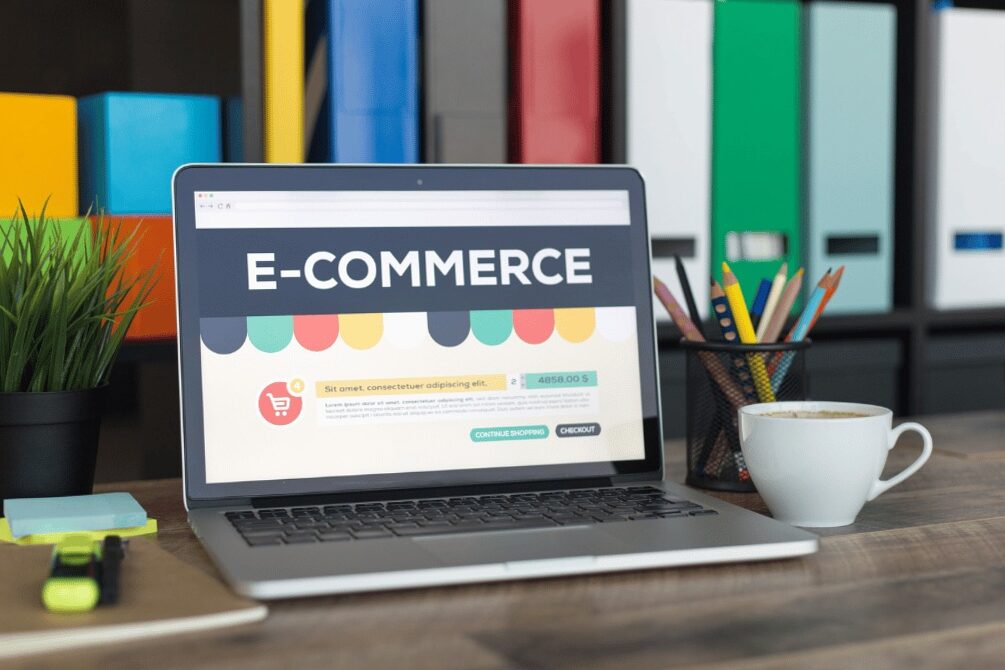
 Remarketing: how to convince visitors to become customers
When considering different options, consider the following features:
- Scalability: Can the platform support the growth of your business without disruption or disproportionate costs?
- User Experience: Is the interface intuitive for customers and for you as an administrator? Does it work well on mobile devices?
- SEO Optimization: Does it offer built-in search engine optimization features? Does it include intuitive URL structures, meta tag support, and good page loading speeds?
- Integrations: Can it be connected to other applications such as CRM, inventory management software, automated marketing platforms or ERP systems?
- Safety: Does it provide a high level of protection for customer data and transactions? Is it PCI DSS compliant?
- Analysis and reporting: Does it include advanced tools to monitor sales performance, user behavior and ROI of marketing campaigns?
4. Cost evaluation
The costs of an eCommerce platform include:
- Monthly/annual subscription fee: SaaS platforms usually have fixed fees, but can also include premium packages for additional features.
- Transaction Fees: Some platforms charge a percentage of each sale, which can become significant for large volumes of transactions.
- Hosting costs: Open source or custom platforms require their own hosting, which can vary depending on the needs of the site.
- Rates for themes and extensions: Customizing your store may incur additional costs, especially if premium extensions are required.
- Maintenance costs: Software updates, technical support and ongoing maintenance should be included in the budget.
5. Test the platform
Most eCommerce platforms offer a trial or demo version. Take the opportunity to test:
- Ease of use: Make sure you can easily set up and manage your store.
- Performance: Test the loading speed, response times and reliability of the platform.
- Mobile Device Compatibility: Most shoppers access websites via smartphones, so mobile optimization is essential.
6. Examples of recommended platforms
- For beginners: Shopify, Squarespace: They offer intuitive interfaces and great support.
- For advanced users: WooCommerce, Magento – ideal for businesses that require customization and control.
- For large companies: Salesforce Commerce Cloud, BigCommerce – designed for high volume sales and complex operations.
- For markets: Amazon, Etsy – suitable for sellers who want quick access to a large customer base.
7. Trends and future of eCommerce
As technology advances, new trends emerge that can influence the choice of platform:
Articulos que te pueden interesar 10 tools TO manage BUSINESS ON social networks
- Artificial Intelligence (AI): AI integration for personalized recommendations, chatbots and marketing automation.
- Omnichannel experiences: Platforms that offer seamless integration between online and offline channels are increasingly popular.
- Sustainability: Consumers increasingly prefer brands that adopt sustainable practices and platforms that support this can become essential.
Conclusion
Choosing the right eCommerce platform is a strategic decision that can have a significant impact on the success of your business. Carefully analyze your business needs, platform features, and costs involved. With proper planning and a long-term vision, you will be able to create an exceptional online experience for your customers and maximize your chances of success in the competitive e-commerce market.
latest posts published

Personal Branding or cult of personality?

6 Key SEO Steps Before Launching a New Website

Communicating during the financial crisis

11 good resolutions to give a boost to your 2019

It all starts with an idea

6 marketing and creativity books to read this year!

Content Marketing: Do You Really Have to Offer All Your Content?

Entrepreneurs and content marketing: 16 quotes to encourage you

9 tips to increase your blog audience!