When it comes to data center attacks, cyber threats and information leaks, We might think that the focus is on large companies in the world’s major economies, but we would be wrong.
 9 essential maintenance tools for any IT professional
Cybercriminals are always active, looking for vulnerabilities and services open to data leakage anywhere in the world.
Latin America does not escape this reality. In the first quarter of 2021 alone, 201.89 million cyber threats were detected against corporate data centers, according to research conducted by the data intelligence and security company F5 Good.
Cyber attacks and data leaks: scenario in Latin America in 2021
Regarding attempts to invade corporate domains, the cited source revealed that Chile ranks first in the search for web interface violations with 23,955 attacks in just 2 months, perpetrated on both HTTP and HTTPS servers.
Brazil follows with 23,459 events; Argentina and Colombia report 11,132 and 7,041 invasion attempts respectively.
Regarding the origin of the malicious traffic, analyzing the geographical sources of the IP addresses, it comes from very different geographical areas with the United States (with 50.8 million threats detected), Lithuania (43.7), China (21.9), Russia (14.2) and Germany (13.5) in the lead.
Articulos que te pueden interesar CIOs are no longer managed by the financial institution in IT decisions
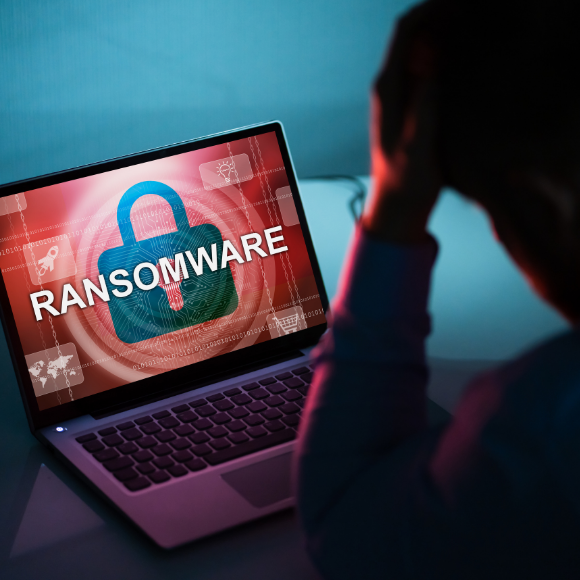
The most common types of breaches perpetrated by criminals are DDoS (Volumetric Degeneration of Services) attacks and ransomware or ransomware.
It is clear that the situation that companies are facing since the second quarter of 2020, due to the pandemic, has had a significant influence on the risks of data leakage and the vulnerability of information systems.
Instead, remote work and emerging security policies implemented suddenly have blurred the perimeters of corporate networks and increased attack surfaces.
Given this scenario, what can companies do to protect themselves from data leaks?
Let’s look at some tips for companies to protect the privacy of their customers and data centers by reducing the risk of information leaks.
Tips for preventing corporate data leaks
With the boom From remotely connected portable devices to enterprise networks and applications, managing and protecting sensitive information is critical. These are some measures:
Focus on DLP
In recent years, the concept of data leak prevention (DLP or Data leak prevention). This includes both technologies and a series of actions to minimize the risks that confidential information does not leave the corporate network.
Regarding DLP solutions, citing Gartner, he defines them as technologies based on both content inspection and contextual data analysis in:
• Transit through messaging applications, such as email and instant messaging;
• Use until exhausted endpoint and other devices;
• Or stored in the various elements of the company’s IT network.
In fact, these are the three states where a corporate data leak can occur.
It is convenient for your IT and security management to collect information from each of the points and channels where data is stored, moved and used, assigning it a category based on the previous ones and a level of criticality.
When you understand the nature and criticality of the data you manage, the means through which it moves and the risks it faces, you will be able to implement certain controls efficiently.
Having said this, let’s move on to other actions to prevent corporate data leaks.
Evaluate the implementation of EDR systems
Detection and response tools endpoint (EDR or Endpoint detection and response) are part of the evolution of traditional antivirus systems.
Now, the endpoints, or data endpoints, are the equipment used by employees, such as desktop computers, laptops or mobile devices. Remembering that it is on these computers that much of your company’s intellectual property and confidential data is used, transferred and stored.
EDR solutions allow administrators to monitor which devices are in use in real time. They also allow you to see when they were used, who did it and the information that was accessed or downloaded.
EDR can implement pre-configured actions when a threat is detected and issue routine alerts.
Implement information security policies and protocols
Companies should also have security policies that govern device use.
As employees store sensitive information such as emails or documents on their laptops, smartphones and tablets, your security policy should cover guidelines that may seem light but, in practice, have the potential to save your business such as:
• Password complexity;
• Activation of two-step verification mode;
• Waiting times and bscreen locks;
• Guidelines for downloading and using the application;
• Sensitive data encryption options;
• Blocking of IP addresses not related to work applications;
• Restrictions on the use of portable storage devices such as USB flash drives.
Without protocols like these, sensitive data will be at risk once it enters an employee’s device.
Analyze and keep security profiles and accesses updated
In many cases, companies give their employees much greater access than they might need.
Implement a “zero trust” approach, meaning employees only have access to the options and levels they need for their daily lives.
This approach limits the scope of leaks and prevents employees from accessing sensitive data. This controls access permissions to different business applications and platforms, helping to resolve this potential data leak.
Always keep security permissions up to date, ensure who has access to what at all times.
As part of your security policies, establish profiles that limit employees’ access to network privileges to only what they need for their jobs.
Your systems should also have the ability to issue alerts if any employees are acting unusually. For example, if you start accessing a large number of documents or if you try to access sensitive documents.
Consider a powerful firewall
For the past three decades, firewalls have been the first line of defense for corporate networks.
AND firewalls, or firewall, is a critical component of corporate network security that monitors and controls incoming and outgoing network traffic.
Today, the firewall next generation (NGFW) adds additional security features beyond traffic monitoring and filtering such as: local authentication based on traffic rules andmalware scan, website filtering Yes spam, SSL encryption and remote access virtual network (VPN)-based support.
With these and other features, NGFWs are able to take automatic measures against possible data leaks, unauthorized access or malicious behavior, through blocking and notification.
Involve your staff
A final precaution your organization should take to prevent data leaks from compromising your network is to require your employees to follow best practices and be aware of their responsibilities in protecting their access to the network and corporate applications.
Many companies are mandated to train their staff so that they are aware of the different practices by which they, the company and customers’ confidential information can be compromised, such as phishing or attacks ransomware.
A true commitment from employees to protecting their network access and devices goes a long way in preventing data leaks on the company network.
Business Data Leaks: Final Consideration
Corporate data leaks can be very harmful to organizations. SYour intellectual property and data, whether financial, customer or employee, are a very valuable asset whose malicious use can destroy your company’s reputation.
Recalling the data we showed initially, Latin America is a haven for cybercriminals and companies, no matter how small, do not escape the risks.
As the co-responsible for security in your company, take the necessary measures to Prevent dangerous data leaks from impacting your organization.
When it comes to data, IT management must be proactive. Apply and maintain up-to-date security solutions and don’t hesitate to ask experts for advice.
latest posts published

Personal Branding or cult of personality?

6 Key SEO Steps Before Launching a New Website

Communicating during the financial crisis

11 good resolutions to give a boost to your 2019

It all starts with an idea

6 marketing and creativity books to read this year!

Content Marketing: Do You Really Have to Offer All Your Content?

Entrepreneurs and content marketing: 16 quotes to encourage you

9 tips to increase your blog audience!