Today the design of user experience (UX) has become an essential factor for the success of any product or digital service. The strong competition and the growing expectations of users have pushed the designers to seek constantly innovative ways to create captivating and intuitive experiences. In this context, you appeared as a powerful ally, with the potential to revolutionize the way we get closer and create UX.
The integration of artificial intelligence in UX design is not limited only to the automation of repetitive tasks, but extends the creative and analytical possibilities of the designers. Algorithms can rapidly analyze large volumes of data on the user’s behavior, identifying models, preferences and needs. These precious information allow designers to customize experiences, adapting them to each user in real time.
While continuing to evolve, we can expect more innovations in the field of UX design. From the automatic design generation to the creation of immersive and personalized experiences, the IA has the potential to radically transform the way we interact with technology and create a more intuitive, more efficient and captivating future.
5 trends you have in the UX design
1. Automation of repetitive tasks
Artificial intelligence can automate repetitive activities and which consume time, such as the generation of models, the regulation of the size of the graphic elements or even the creation of personalized content. This allows designers to focus on the creative and strategic aspects of the design process.
Articulos que te pueden interesar SEO optimization: 4 main rules
Example:
- Adobe Sensei: Use artificial intelligence to automate activities such as intelligent images, color regulation and generation of visual effects.

- Sketch2code: A Microsoft tool that transforms the sketches drawn by hand into the functional HTML code, accelerating the process of creating prototypes.
Impact: they release designers from repetitive tasks and that require time, allowing them to focus on creative and strategic design aspects.
2. Customization of user experiences
By analyzing data on data behavior, it is possible to help create personalized experiences, adapted to individual needs and preferences. The recommendations on the product, relevant contents and adaptive interfaces are just some examples of how to improve the user’s experience.
Example:
Articulos que te pueden interesar What is the programming algorithm?
- Amazon Personalize: An AI platform that allows companies to create personalized recommendations of products, offers and content for each user.
- Dynamic yield: A platform for personalization of the experience that uses to to optimize content, design and functionality in real time of web sites and mobile applications.
3. Continuous tests and optimization
It is possible to analyze real -time user interactions with digital products and services, quickly identifying problems and providing improvement suggestions. What does it appear? In a continuous optimization of the user experience, based on concrete data and relevant feedback.
Example:
- Hotjar: A platform to analyze the behavior of users who use the IA to generate heat maps, record of sessions and surveys, providing precious information on how users interact with the product.
- Usertesting: A usability test platform that uses to analyze user feedback and identify design problems.
4. Creation of conversational interfaces
Conversational interfaces, such as chatbots and virtual assistants, are becoming increasingly popular. You can significantly improve these interfaces, allowing them to understand and answer the questions and needs of users, in a natural and intuitive way.
Example:
- Google Dialogflow: A platform for the development of chat and virtual assistants that use the IA to understand natural language and provide relevant responses.
- IBM Watson assistant: A similar platform that allows companies to create intelligent chats to automate customer service and other activities.
5. Generative design
Artificial intelligence can be used to automatically generate design variants, based on predefined parameters and constraints. This can accelerate the process of exploring design solutions and can provide designers with a wider range of options to choose from.
Example:
- Project Dreamcatcher: A generative design software that uses to to explore and optimize design solutions according to certain criteria and constraints.
- Uizard: A design platform that uses to to transform sketches into functional models and prototypes.
The evolution of A-UX tools in the next decade
In the next decade, the evolution of tools in the UX design will far exceed the simple automation of repetitive activities. Here are some innovative directions in which we can expect to evolve these tools:
- Advanced generative design: The tools will become real co-creators, capable of generating not only simple models, but entire flows and even complex interfaces, based on data on user behavior and corporate objectives.
- Predictive analysis of emotions: The tools will be able to analyze facial expressions, vocal tone and other thin signals to understand the emotions of users in real time. This information will allow designers to create experiences dynamically adapted to the user’s emotional state, providing support or adapting the content of consequence.
- AI’s stability test tests: Instead of relying only on the feedback of real users, the designers will be able to test the AI prototypes that simulate human behavior. They will be able to provide rapid and detailed feedback, allowing rapid iterations and significant design improvements.
- Inclusive and accessible design: The tools will help the designers to create accessible experiences to all users, regardless of their skills. For example, you will automatically deed audio descriptions for images, you will regulate the size of the text for people with visual disabilities and create intuitive interfaces for users with motor disabilities.
- Augmented and virtual reality in design: The tools will integrate and in the VR in the design process, allowing designers to create and test engaging experiences in a more intuitive and efficient way. For example, the designers will be able to view how a product would be in a certain space or how users interact with an interface in a virtual environment.
Our conclusion?
UX design tools play an imperative role in facilitating and improving the process of creating quality experiences of users. They offer designers a wide range of functionality, from the creation of interactive models and prototypes, to collaboration in real time and the use of usability.
The constant evolution of these tools, together with the growing integration of artificial intelligence into the UX design, promises to radically transform the way in which the designers approach and create user experiences. By automating repetitive activities, personalization of experiences and continuous optimization, it is possible to make the design process more efficient and can contribute to the creation of more intuitive digital services, more relevant and easier to use.
If you are curious to find out more about digital design applications, subscribe to the Graphic Designer-Newtech Academy. The places are limited! Book your place now and join a community of passionate designers.
latest posts published

Personal Branding or cult of personality?

6 Key SEO Steps Before Launching a New Website

Communicating during the financial crisis

11 good resolutions to give a boost to your 2019

It all starts with an idea

6 marketing and creativity books to read this year!

Content Marketing: Do You Really Have to Offer All Your Content?

Entrepreneurs and content marketing: 16 quotes to encourage you
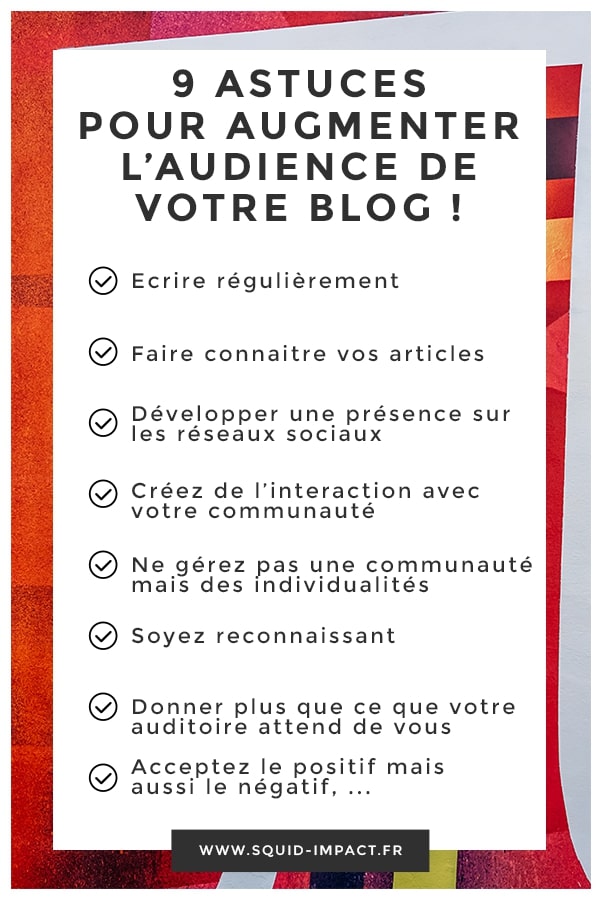
9 tips to increase your blog audience!