Have you ever dreamed of transforming a simple question into an opportunity to show your creativity? Being graphic designer means giving life to ideas through colors, shapes and plots, but how can you bring this unique vision to an interview? It is time to escape and prepare to really impress.
Think about your interview as a personal art gallery. Each answer you offer is a piece of this collection, revealing not only your technical skills, but also the story behind each project. Stay with us, because in this article we will explore the most common questions you could meet in an interview, giving you examples and suggestions to transform any question into a demonstration of your talent.
A graphic designer is responsible for creating visions that communicate ideas, inspire and fascinate the public. They work with various graphic elements, from images and plots, to the characters and to the colors, to develop design that can be used in marketing, branding, advertising and many other fields. In essence, a graphic designer transforms abstract concepts into concrete visual representations, using specialized software and a creative approach.
The role and responsibilities of a graphic designer
A graphic designer has various responsibilities, including:
Articulos que te pueden interesar How to create a constant character with Midjourney Ai
- Creation of visual materials for marketing and advertising campaigns.
- Develop visual identity and brand for companies and products.
- Collaboration with other teams, such as marketing and product development departments, to guarantee visual coherence.
- Presentation of concepts and review of the projects based on the feedback received.
- The use of design software, such as Adobe Creative Suite, to create and modify projects.
The first 7 frequently asked questions in an interview for graphic designer
1. Can you describe a recent design project you have worked for and your creative process?
EXAMPLE OF ANSWER: «I recently worked on a rebranding project for a technological company. My creative process started with a thorough research of the brand and the target audience, followed by brainstorming and sketches. I created several initial concepts and I perfected them based on the feedback received, using Adobe Illustrator and Photoshop to complete the design.»
Our advice: Be specific in describing your creative process and highlights how you dealt with the challenges of the project.
2. What design software do you use and why?
EXAMPLE OF ANSWER: «I use Adobe Creative Suite, in particular illustrator for vectors and photoshops for photo editing. Furthermore, Indesign for printing layouts. I prefer these software because of their versatility and advanced features that allow me to create professional projects.»
Our advice: Explains the reasons why you prefer certain software and how they help you reach your creative vision.
Articulos que te pueden interesar How to use narration in digital marketing
3. How do you get closer to critical feedback on your work?
EXAMPLE OF ANSWER: «I look at critical feedback as a learning opportunity. I actively listen to the feedback received and I try to understand the different perspectives. So I intact the useful suggestions in my work to improve the final design. I think that constructive feedback is essential for my professional development.»
Our advice: Underlines the importance of opening feedback and how you use it to improve your work.
4. Can you show us your portfolio and explain some of your favorite works?
EXAMPLE OF ANSWER: «Of course, here’s my wallet. One of my favorite projects is a poster design for a music festival. I chose vibrant colors and graphic elements that transmit the energy and atmosphere of the event. Another project is an infographic set for a healthcare company, where I managed to combine the complex information in an easy visual format.»
Our advice: Presents some of your favorite works, explaining the context, objectives and creative process behind each creation.
5. How do you keep up to date with new trends and design techniques?
EXAMPLE OF ANSWER: «I regularly read design blogs and specialized magazines, such as Smashing Magazine and Creative Bloq. Participate in Webinar and online courses to learn new techniques and software. You also do part of the design communities in which we change ideas and inspirations.»
Our advice: Mentions the resources you use to inform yourself and how to apply new knowledge in your work.
6. Do you have experience in collaboration with Multidisciplinary Team?
EXAMPLE OF ANSWER: «Yes, I collaborated with marketing team, product development and sales for various projects. For example, I worked closely with the marketing team to create cohesive visual campaigns and the development team to ensure that our projects are correctly implemented.»
Our advice: Underlines the importance of collaboration and offers examples of projects in which you have worked with multidisciplinary teams.
7. How do you manage your time and more projects?
EXAMPLE OF ANSWER: «I use a system of prioritization of activities and a detailed calendar to ensure that it respects deadlines. I also use project management tools, such as Tial or Asana, to trace progress and coordinate with the team. Establishing clear objectives and efficient communications are essential to manage more projects at the same time.»
Our advice: Explains your time management methods and how to make sure to deliver projects in time.
How to prepare for the interview with Graphic Designer
The preparation for an interview with Graphic Designer involves an innovative and diversified approach. It is essential to demonstrate your technical skills, creativity and the ability to work well in a team. Here are some different strategies to prepare yourself effectively:
- Create a multimedia wallet: Instead of a classic wallet, opt for one that includes multimedia elements. It integrates videos in which you explain the creative process, animations that present the transitions between final concepts and versions and testimonies from customers or colleagues. Use platforms such as YouTube, Vimeo, Wix or Behance to exhibit your work dynamically.
- Experience with new technologies: Try to incorporate augmented reality (AR) or virtual reality (VR) in your wallet. These technologies are increasingly popular and can provide an element of surprise and innovation to employers.
- Builds a personalized mini site: Create a dedicated website that works as an interactive portfolio. Add sections in which visitors can browse your projects, see detailed study cases and access more information on you. Make sure the site design reflects your personal style and technical skills.
- Organize a webinar or an online presentation: Invite colleagues or potential employers to a webinar in which your portfolio has and discuss your creative process. This is an excellent way to show your communication and presentation skills.
- Create a detailed study case: Choose one of your best projects and develop a detailed study case. Includes the objectives of the project, the challenges addressed, the solutions implemented and the results obtained. Its presentation in a well -structured and visually attractive format can highlight your skills to resolve problems and strategic thought.
- Take part in live design events: Involved in design events, such as seminars, graphic design courses and competitions. These experiences can offer you any networking opportunity and enrich your wallet with project projects.
Tips and tricks to get graphic designer’s work

- Be active on professional social platforms: Publish your work on platforms such as LinkedIn, Instagram, Behance and Drybbles. Take part in discussions and relevant groups to increase visibility and build a professional network.
- Develop your leadership skills: If you have had the opportunity to coordinate a project or team, highlight these experiences. Leadership skills are highly appreciated and can add value to your candidate.
- Prepared for trap questions (interpersonal): Be ready to discuss your collaboration experiences, as you managed conflicts and how you have faced difficult projects. These responses can highlight your communication and collaboration skills.
Our conclusion?
The preparation for a graphic designer interview requires innovation and creativity. Demonstrate your technical and creative skills through a dynamic wallet, involve collaborative projects and constant development of transversal skills. Be confident and ready to exhibit your vision and the creative process in an attractive and professional way.
If you need further support or detailed information on our training courses for graphic design specialists, we invite you to fill in the contact form at this moment or why not – to explore all the information available on our blog. We are here to offer you all the resources to help you excel as a designer and achieve your professional goals!
latest posts published
Personal Branding or cult of personality?

6 Key SEO Steps Before Launching a New Website

Communicating during the financial crisis

11 good resolutions to give a boost to your 2019

It all starts with an idea

6 marketing and creativity books to read this year!

Content Marketing: Do You Really Have to Offer All Your Content?

Entrepreneurs and content marketing: 16 quotes to encourage you
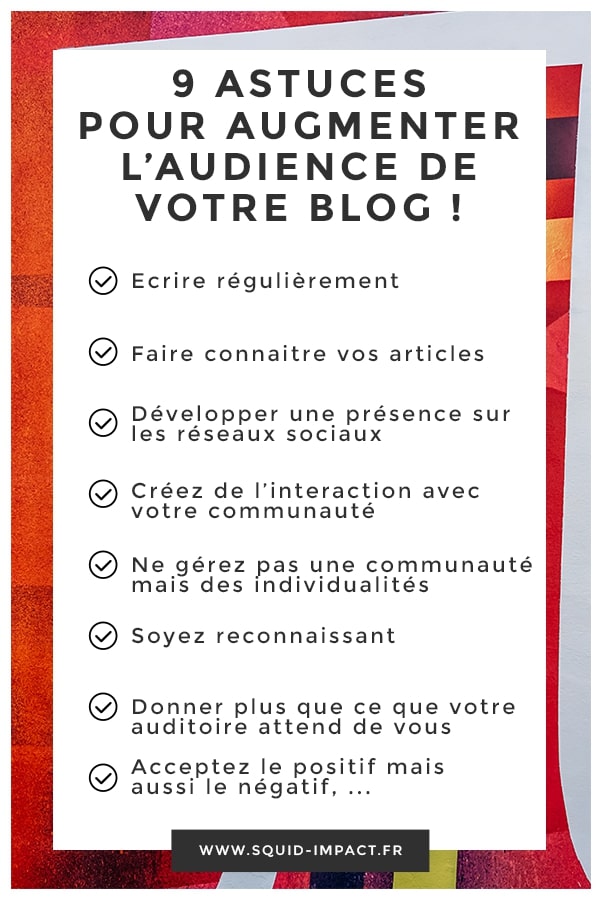
9 tips to increase your blog audience!