Online comments can greatly impact the success of a company. They are important for creating a strong image, boosting customer trust, and drawing in a larger audience. However, how a business deals with negative comments can be vital for its long-term reputation. A poorly crafted reply or an unsuitable reaction can worsen the issue, affecting how the public views the company. In this article, we will look at the common mistakes businesses make when replying to negative comments and provide solutions based on effective practices and communication methods.
1. Ignore negative reviews
Why is this a mistake? Not addressing a negative review shows customers that you do not care about their thoughts. Furthermore, other potential customers looking at your reviews will see the absence of a response as a sign of unprofessionalism and lack of involvement.
How to do it right?
- Set up a protocol to constantly monitor reviews across all relevant platforms (Google, Yelp, Facebook, TripAdvisor, etc.).
- Respond promptly, preferably within the first 24-48 hours. This shows that you care and are proactive in handling feedback.
- Use a professional and empathetic tone, regardless of the nature of the review.
2. The emotional response
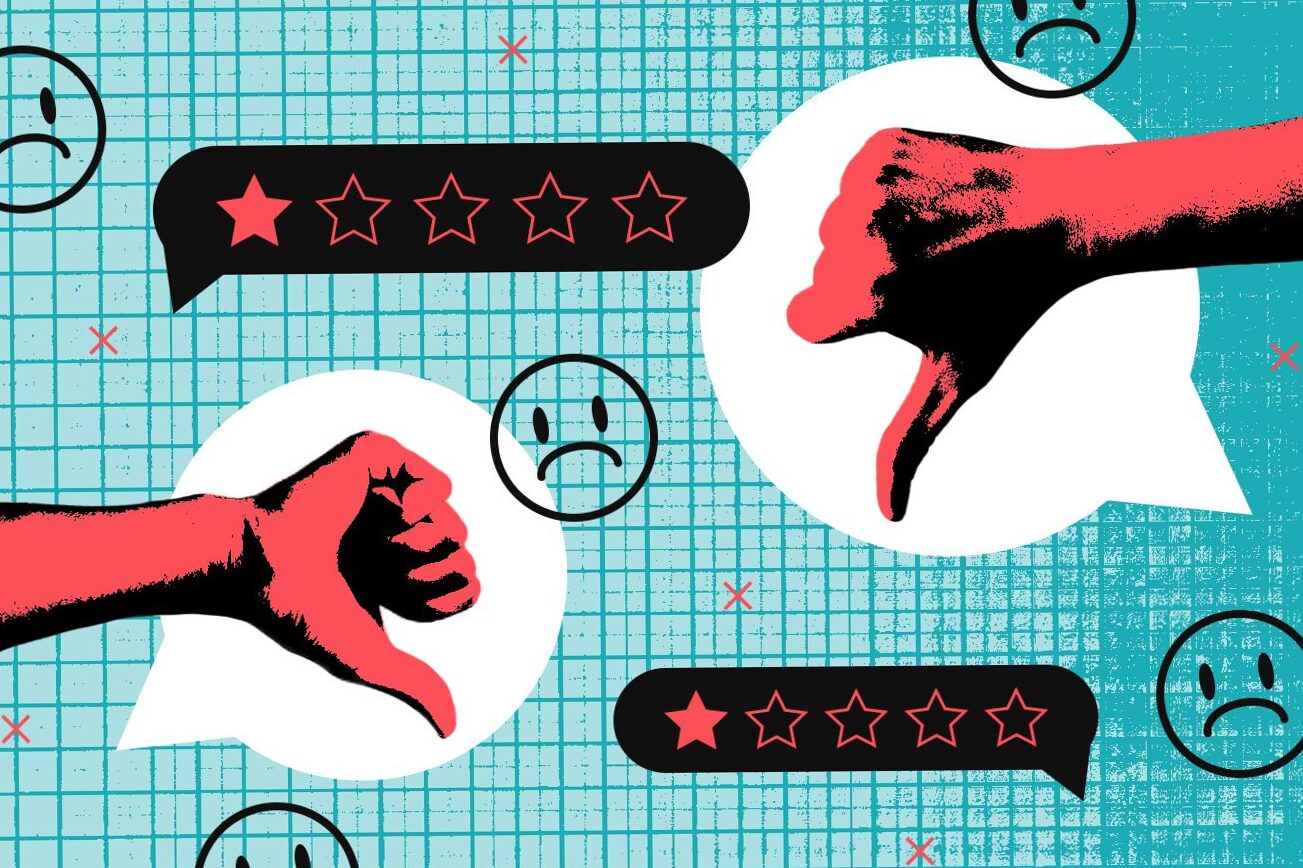
Why is this an error?
Negative reviews can be frustrating, especially if you feel they don’t accurately reflect the situation. However, a defensive, aggressive or blaming reaction will only make the problem worse. The audience will see your reaction and judge accordingly.
 Optimizing your WEBSITE for mobile devices: 12 factors that can turn your users away
How to do it right?
- Before answering, take a break to calm down and objectively analyze the situation.
- Avoid responding right away if you feel overwhelmed by negative emotions.
- Begin your response by expressing your sincere regret that the customer experience was not positive. Example: «We are sorry to hear that we were unable to provide you with a satisfactory experience. We appreciate your feedback and want to better understand the situation.»
3. Denial of the problem or excessive justifications
Why is this an error?
Denying a problem can feel like you’re completely ignoring the customer’s point of view, which can further damage the relationship. On the other hand, excessive justifications can give the impression that one is trying to avoid responsibility.
How to do it right?
- If the problem is real, acknowledge it and offer a concrete solution. Example: «Thank you for bringing this situation to our attention. We are already working to make sure it doesn’t happen again.»
- If the feedback is unfounded or incorrect, explain your position respectfully and clearly without minimizing the customer’s point of view.
4. Copied or generic responses
Why is this an error?
A copycat or overly generic response can convey the idea that you’re not paying enough attention to each customer. This can affect the perception of authenticity and engagement of your business.
How to do it right?
- Personalize each response. Mention details from that review to show that you have read and understand the issue.
- Be authentic. Even if you use a template for consistency, adapt it to reflect the specifics of the situation.
5. Lack of a repair plan
Why is this an error?
Simply apologizing without offering a concrete solution can leave the customer with the impression that you have no intention of making things better.
How to do it right?
- Offer clear solutions, such as refunding money, offering a free product/service, or investigating the issue further.
- Follow up after providing a solution to ensure the customer is satisfied.
6. Publish personal data or attack the customer
Why is this an error?
Disclosure of personal customer information or direct attacks are not only unprofessional, but potentially illegal. These can escalate the conflict and lead to legal consequences.
 the lack of online reviews keeps your potential customers at a distance
How to do it right?
- Respect customer confidentiality in all public responses.
- If you need to discuss further details, invite the customer to contact you through a private channel (email, telephone).
7. Not involving the team in the review management process
Why is this an error?
If only one person on the team handles the feedback, there is a risk that they will leave out some aspects or not have all the information needed for a complete response.
How to do it right?
- Create a centralized review management system so the entire team is involved.
- Establish clear responsibilities and provide training to handle difficult reviews.
8. Ignore the impact of negative reviews on SEO
Why is this an error?
Negative reviews not only affect your reputation, but they can also affect your company’s ranking in search engines. Inadequate responses or lack thereof can exacerbate this situation.
How to do it right?
- Respond to all negative reviews with positive solutions to show engagement. Search engines consider these interactions a sign of an active brand.
- Encourage satisfied customers to leave positive reviews to offset the impact of negative reviews.
9. Don’t use negative reviews as a learning opportunity
Why is this an error?
If you treat negative reviews only as a personal attack, you miss the opportunity to identify and correct problems with your business.
How to do it right?
- Analyze negative feedback patterns. Do the same complaints occur frequently? If so, the problem is likely systemic.
- Use negative reviews to improve your products, services and overall customer experience.
Conclusion
Negative reviews aren’t always the end of the road, but an opportunity to learn and grow. How you handle these situations can turn an unhappy customer into an advocate for your brand. Avoid the common mistakes discussed above and focus on building a response strategy based on empathy, professionalism, and active resolution. This way you will strengthen the reputation of your business and create an environment of trust for future customers.
latest posts published

Personal Branding or cult of personality?

6 Key SEO Steps Before Launching a New Website

Communicating during the financial crisis

11 good resolutions to give a boost to your 2019

It all starts with an idea

6 marketing and creativity books to read this year!

Content Marketing: Do You Really Have to Offer All Your Content?

Entrepreneurs and content marketing: 16 quotes to encourage you
9 tips to increase your blog audience!