An CRM (Customer Relationship Management) system is a software platform for the management of relationships and interactions with customers. Central all customer data, regardless of the communication channel, in a single database. By automating the sales and marketing processes, a CRM improves customers loyalty and increases the profitability of the company.
But what exactly does this concept mean and how can a company’s activity transform? Let’s explore this fascinating topic together and see how CRM can become your reliable ally in business development!

CRM, or management of customer relationships, is a strategy and a series of tools that help companies manage interactions and relationships with existing and potential customers. In short, CRM is the complete solution to maintain all customers information in one place, making it easy to keep track of interactions and maximize any sales opportunity. But the CRM is much more than a simple database, it is a way to better understand the needs of customers and build strong and lasting relationships with them.
A CRM system collects customers’ data from different sources, such as and -mail, phone calls, meetings, social media interactions and more. All these data are centralized in one place, which allows sales, marketing and customer services to have an overview of each customer. CRM analyzes these data to provide valuable prospects that help improve customers with customers and optimize marketing campaigns.
Articulos que te pueden interesar How to model you have local marketing strategies in 2025
Think about CRM as a detailed map of each customer, who shows you where he was, what he bought, what he likes and what he doesn’t like. This map is updated in real time, so you can anticipate the needs of customers and customize the interactions accordingly. For example, if a customer has recently purchased a product, CRM can suggest complementary products or special offers that could affect that customer.
The advantages of using a CRM
- Large scale customization: A CRM allows the customization of each interaction with customers. Whether these are marketing e -mails, sales calls or interactions on social media, everyone can be adapted according to the preferences and behavior of each customer.
- Improves customers’ loyalty: By providing a personalized and quality experience, customers are more inclined to become faithful to your brand. The CRM helps to maintain a constant and relevant relationship with customers, which increases the chances of returning.
- Optimization of sales processes: With a CRM, the sales team has access to all the information necessary to understand the needs of customers and to provide them with personalized solutions. This leads to shorter sales cycles and a higher conversion rate.
- Automation of repetitive tasks: A CRM can automate many administrative activities, such as sending e -mails of tracking or updating the database with information on customers, allowing your team to focus on more strategic activities.
- Detailed analysis and reports: The CRM offers reporting and analysis tools that help monitor the performance of marketing campaigns, the sales team and customer satisfaction. These data allow real strategies to improve results.
Types of CRM
There are different types of CRM, each conceived to meet specific business needs:
1. Operating CRM
It focuses on the automation of business processes, such as sales, marketing and customer service. It is ideal for companies that want to improve the efficiency of their daily operations.
2. Analytical CRM
This type of CRM focuses on the collection and analysis of customer data to provide valuable perspectives. It is perfect for companies that want to better understand their customers and customize their marketing strategies.
Articulos que te pueden interesar How to make corporate networking in 2025
3. Collaborative CRM
Facilitates the sharing of customer information between the different departments of a company, such as sales, marketing and customer service. It is ideal for companies that want to improve internal collaboration and offer a unitary experience to customers.
The choice of the right type of CRM depends on the specific needs of your business. If you focus on the optimization of sales and marketing processes, an operating CRM could be the best option. If you want to focus on data analysis and the improvement of the customer’s experience, an analytical CRM can be more appropriate.

How to implement a CRM in your business?
The implementation of a CRM does not only concern the installation of software; It is a process that provides for planning, training and a change of mentality within your team. Here are some key steps for a successful CRM implementation:
- Identify your needs: Before choosing a CRM, it is important to identify which specific needs have your company. What kind of customer data do you want to collect? What processes do you want to automate? What goals do you want to achieve with CRM?
- Choose the right CRM: After identifying the needs of your business, you can start looking for CRM who meet these criteria. Compare the characteristics and prices of the different CRMs and choose the one that best suits your needs.
- Train your team: It is essential to instruct your team on the use of CRM. Make sure that all team members understand how to use CRM and how they can help them in their daily work.
- Integra CRM with other tools: To benefit from CRM Massimo, integrate it with other tools already used, such as marketing e -mail platforms, social networks and project management systems.
- Monitor and Rule: After implementing the CRM, monitor its performance and adjust it as needed. CRM should be a dynamic tool that evolves with your business.
Our conclusion?
This software is the heart of modern business strategies, which offers the necessary tools to build strong and long -term relationships with customers. Whether you want to improve customer loyalty, optimize sales processes or personalize marketing campaigns, a well -chosen and implemented CRM can help you achieve these goals and differentiate yourself on the market.
Are you ready to turn the way you manage relationships with your customers and make sure your business is suitable for their needs? Stop thinking and subscribing to our course of digital specialists to understand how it is possible to integrate this technology into your professional life!
latest posts published

Personal Branding or cult of personality?

6 Key SEO Steps Before Launching a New Website

Communicating during the financial crisis

11 good resolutions to give a boost to your 2019

It all starts with an idea

6 marketing and creativity books to read this year!

Content Marketing: Do You Really Have to Offer All Your Content?

Entrepreneurs and content marketing: 16 quotes to encourage you
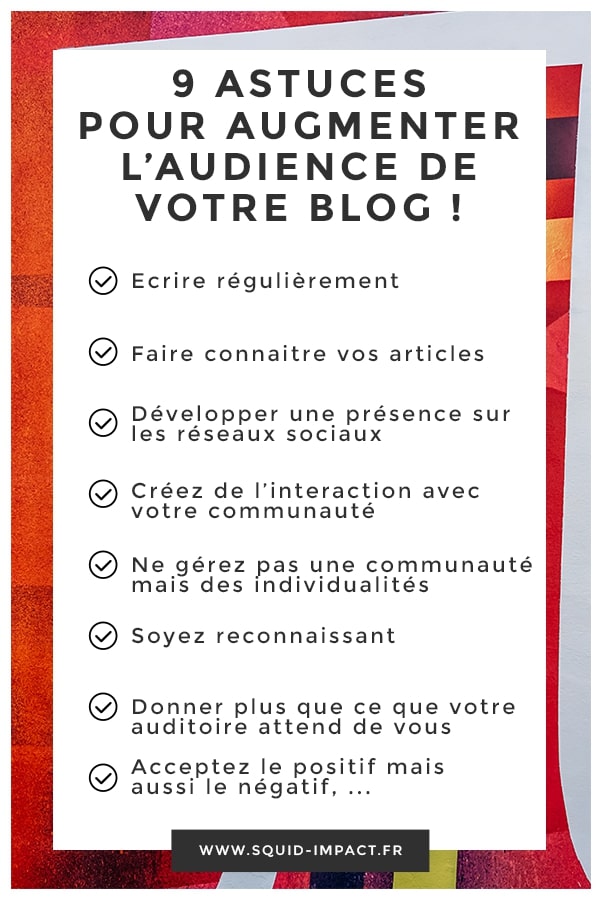
9 tips to increase your blog audience!