The attention of users is more fragmented than ever, a well -designed call (CTA) can make the difference between a passive visitor and an active customer. Whether we are talking about digital marketing, web design or copywriting, CTA is that object that transforms the intention into action. But how do you create a CTA that really convinces readers to act? In this article, we will explore the essential techniques, based on psychology, design and data, to create effective action calls.
What is a CTA and why does it matter?

An invitation to action is a direct education for the public, destined to cause immediate reaction. Classic examples include «buy now», «Sign up for free» or «Download the ebook». Its purpose is simple: guide the user to the next step on his journey, whether it is the deeper acquisition, subscription or interaction with your brand.
The importance of the CTA cannot be underestimated. According to a study conducted by Hubspot, the pages with a clear CTA convert up to 121% better than those without. However, an effective CTA is not just a phrase launched on a page: it is the result of a combination of strategy, design and behavioral psychology.
Articulos que te pueden interesar Digital marketing vs. Marketing on social media
1. Psychology behind a convincing CTA
To convince readers to act, you have to understand what motivates them. Here are some essential psychological principles:
- Emergency (scarcity and fomo): People react faster when they feel they lose the opportunity. Add terms such as «only today» or «limited stock» to create an emergency. Example: «Book your place only 5 available!»
- Reciprocity: Provides something precious before asking for an action. For example, a free ebook or test can increase the possibilities that the user will respond positively to your CTA.
- Social test: Includes figures or testimonies near CTA. «Join the over 10,000 subscribers» is much more convincing than a simple «registration».
- Simplicity: The human brain prefers quick and clear decisions. A CTA like «Start now» is more effective than «taking the next step towards your digital success».
2. Copywriting techniques for CTA
The text of a CTA is his heart. Here’s how to optimize it:
- Use active verbs: The Action Verbs («Download», «Buy», «Reserve») transmits dynamism and clarity. Avoid passive or vague formulations as «discover more»: they dilute the impact.
- Personalization: Address directly to the reader with «you» or «your». «Get your free relationship» looks more personal than «get the relationship free».
- Creates contrast: The A/B tests show that the CTA with specific benefits («Save 50% now») have higher conversion rates («Click here»).
- Test the length: Sometimes a short CTA as an «inscription» works excellent, but in other contexts, a more descriptive one («the free marketing course») can clarify the offer.
3. Design: How to make the CTA visible and attractive
A CTA is not just text: its visual aspect plays a crucial role. Here are some technical design principles:
- Color: Use a color that contrasts with the background of the page. For example, a red or orange button on a white background immediately attracts attention. Studies show that Red increases the speed of click up to 21% in certain contexts.
- Size and location: The CTA must be large enough to be observed, but not so intrusive to disturb. Place it «above the fold» (in the first visible area of the page) or at the end of a precious content.
- White space: Leave space around the CTA to highlight it. Overcrowding reduces the impact.
- Micro-analized: Adds thin effects (hover, impulse) to attract attention without distracting. For example, a color transition to the mouse can increase the interaction of 15%, according to UX tests.
A CTA does not only concern what it seems or what it says: its technical performances are equally important:
Articulos que te pueden interesar The tomato technique: how to beat procrastination
- Loading speed: If the button or page to which the CTA sends the expenses you will slowly lose users. Use tools like Google Pagespeed Insights to optimize response times.
- Mobile compatibility: Over 60% of the traffic comes from mobile devices. Make sure the CTA is easy to press (minimum 48 × 48 pixels, according to Google Guides) and is not hidden by other elements on small screens.
- Tracing: Implement UTMS or conversion pixels (for example Google Analytics, Facebook Pixel) to measure the performance of each CTA. For example, an UTM how? Utm_source = blog and utm_medium = cta & utm_campign = signature shows you exactly where the conversions come.
5. Practical examples and cases study
Let’s see how these principles work in practice:
- Dropbox: Their simple CTA «begins free» combines urgency (now) with the benefit (free). Result: an increase of 60% of the recordings after optimizing the design of the button.
- Amazon: «Adds to the basket» is an example of a minimalist, but extremely efficient, due to the positioning near the price and reviews of the product.
- Neil Patel: Use a CTA like «Get my free SEO analysis», with a clear advantage and integrated with an emergency pop («Valid 24h offer»).
6. Test and iteration: the key to success
No CTA is perfect from the first. The A/B test is essential to find out what works for your audience. Here is an example of a process:
- Create two variants: «Buy now» vs. «Take advantage of the limited offer».
- Performs the test on 50% of the traffic for 7 days.
- Analyze the results in Google Analytics or Hotjar (Heatmaps shows where users do).
- Implement the winning version and tests again (for example color, position).
A real case: an online store has increased 34% conversions only by changing «see the offer» with «claim your reduction now».
7. Common errors to avoid
- Too many cta: If a page has 5 different action calls, the user will feel overwhelmed. Limited to a main and secondary one.
- Lack of clarity: «Click here» says nothing about what is coming. Be specific.
- Invisible design: A gray button on a gray background will go unnoticed.
Conclusion: transform readers into customers
An effective CTA is not just a button or a phrase: it is a bridge between intent and action. By combining psychology, copywriting, design and technical optimization, it is possible to create action calls that not only attract attention, but also converted. Start analyzing your current CTA: are they clear? Visible? Convincing? Test, regulates and you will see the results.
latest posts published

Personal Branding or cult of personality?

6 Key SEO Steps Before Launching a New Website

Communicating during the financial crisis

11 good resolutions to give a boost to your 2019

It all starts with an idea

6 marketing and creativity books to read this year!

Content Marketing: Do You Really Have to Offer All Your Content?

Entrepreneurs and content marketing: 16 quotes to encourage you
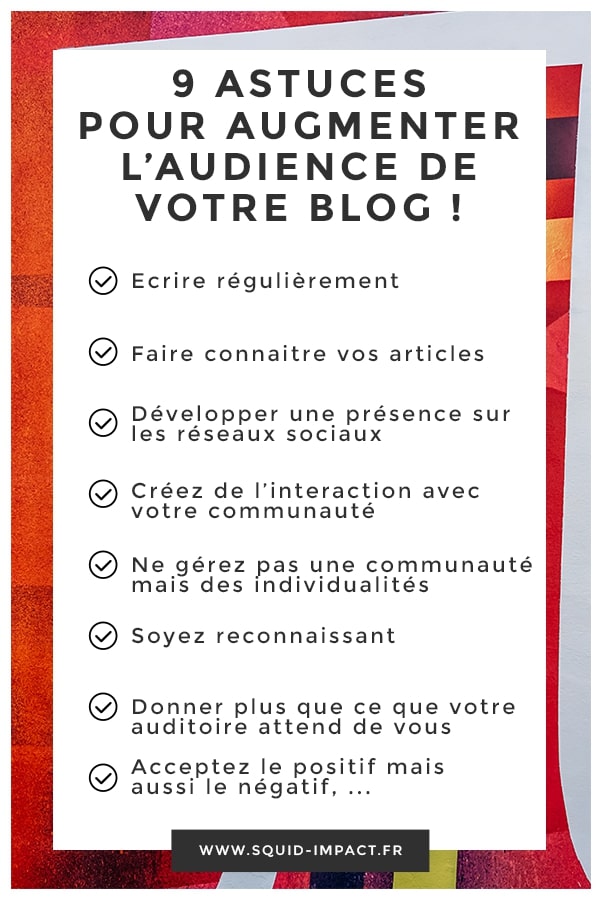
9 tips to increase your blog audience!