Social networks are very important in online marketing plans, Instagram has become one of the top choices for picture advertising. With more than 2 billion users active each month and a much higher interaction rate compared to other networks, Instagram provides great opportunities for businesses wishing to showcase their products or services.
This practical guide will assist you in grasping the fundamentals of Instagram ads, how to design successful campaigns, examine outcomes and continually enhance results.
1. Why choose Instagram for advertising?
Main advantages:
- Active and diverse audience: Users of all ages, especially younger generations (Gen Z and Millennials).
- High engagement rate: More interactions than Facebook or Twitter.
- Visual platform: Ideal for brands that have strong storytelling through images or videos.
- Robust targeting tools (prin Meta Ads Manager).
2. Types of Instagram Ads
Instagram offers several ad formats, each with specific benefits. Choosing the right format depends on your campaign goals.
a) Ads in the feed
- They appear in users’ post feeds.
- They can be single images or carousels (up to 10 images/videos).
- Allow clear CTAs (e.g. “Buy Now”, “Learn More”).
b) Ads in stories
- It appears among users’ stories.
- They are full screen and very engaging.
- Duration: 15 seconds per slide (video or image).
c) Advertising on reels
- Short vertical video format inspired by TikTok.
- High discovery and engagement rate.
- Ideal for creative and viral promotion.
d) Explore advertising
- They appear in the «Explore» tab, where users discover new content.
- High visibility outside the existing community.
e) Product Ads (Instagram Shopping Ads)
- Allows you to tag products directly in posts.
- Direct link to the Instagram store or your own website.
3. How to create an advertising campaign on Instagram
Step 1: Set your goal
Meta Ads Manager offers 6 main categories:
Articulos que te pueden interesar Instagram Reels and TikTok for businesses: which is the best solution for your sector?
- Brand awareness
- Scope
- Traffic
- Engagement
- He leads
- Conversions
Step 2: Define your target audience
Use Meta tools to define your audience through:
- Demographics (age, gender, location)
- Interest
- Purchasing behaviours
- Lookalike Audiences (audiences similar to existing customers)
- Custom Audiences (ex: website visitors, email lists)
Step 3: Choose placements
- Automatic (recommended for beginners)
- Manual (allows you to select only Instagram: Feed, Stories, Reels, etc.)
Step 4: Set your budget and schedule
- Daily or total budget.
- Short-term (promotions) or long-term (brand awareness) campaigns.
Step 5: Create your ad visual
- Respect the format (1080×1080 | 1080×1350 px for images, 1080×1920 px for Stories/Reels).
- Short and clear texts with a well-defined CTA.
- Test different versions (A/B testing).
Step 6: Launch and monitor
4. Best practices for effective ads
a) Visual creativity
- Use high-quality images or dynamic videos.
- Adapt the graphics based on the format (e.g. full screen for Stories).
- Start with a visual “hook” that grabs attention within the first 3 seconds.
b) Clear and convincing copywriting
- Short and benefit-oriented text.
- CTA specifies: «See offer», «Order now», «Discover the product».
c) Continuous testing
- A/B testing for:
- Different images
- Variant of the text
- Several CTAs
- Learn from past results and adapt in real time.
5. Performance measurement
Understanding how your ads are performing is essential. Here are some key indicators (KPIs):
| Indicator | What does it measure? |
|---|---|
| CTR (click-through rate) | How effective the ad is at generating clicks |
| CPC (cost per click) | How much does each click cost? |
| CPM (cost per thousand) | Cost per 1000 impressions |
| ROAS (return on advertising spend) | Return on investment in advertising |
| Conversions | Sales, subscriptions, downloads, etc. |
You can use Meta ads manager for detailed analysis or you can integrate the data with external platforms such as Google Analytics, HubSpot, Shopify, etc.
6. Automation and retargeting
Automation with artificial intelligence:
- Meta uses artificial intelligence for campaign optimization by default.
- You can enable «Advantage+» placements and audience optimization for better performance.
Retargeting:
- Create campaigns for:
- Users who visited the site.
- Instagram account followers.
- People who abandoned their cart.
7. Budgets and estimates
There is no universal minimum budget, but here are some guidelines:
Articulos que te pueden interesar Yes, you really need digital marketing
- Average CPM: 4–8 EUR in Romania.
- Average CPC: 0.20 – 0.80 EUR.
- Desired ROAS: Minimum 2x (ideally 4x+ for e-commerce).
An efficient test budget: 300–500 euros for 2 weeks, with a minimum of 2-3 creative variations and 2 different audiences.
8. Common mistakes to avoid
- Ignore A/B tests
- Images not suitable for the format
- Lack of CTA
- Targeting too broad or too narrow
- Lack of optimization for mobile devices (90% of users use phones)
9. Current Trends in Instagram Advertising (2025)
- Reel Ads > Feed Ads: better performance, greater range.
- Influencer whitelist: The brand directly promotes an influencer’s content.
- Creativity generated by artificial intelligence: Using artificial intelligence to automatically generate personalized images and text.
- Interactive ads: polls, quizzes or scrolling through Stories.
Conclusion
Advertising on Instagram is a powerful tool, but it requires a well-thought-out strategy, ongoing testing, and detailed knowledge of the platform. If implemented correctly, it can bring spectacular results in terms of reach, engagement and conversions.
Whether you’re a startup entrepreneur or a business with big budgets, Instagram offers a competitive yet highly profitable environment for visual marketing campaigns.
latest posts published

Personal Branding or cult of personality?

6 Key SEO Steps Before Launching a New Website

Communicating during the financial crisis

11 good resolutions to give a boost to your 2019

It all starts with an idea

6 marketing and creativity books to read this year!

Content Marketing: Do You Really Have to Offer All Your Content?

Entrepreneurs and content marketing: 16 quotes to encourage you
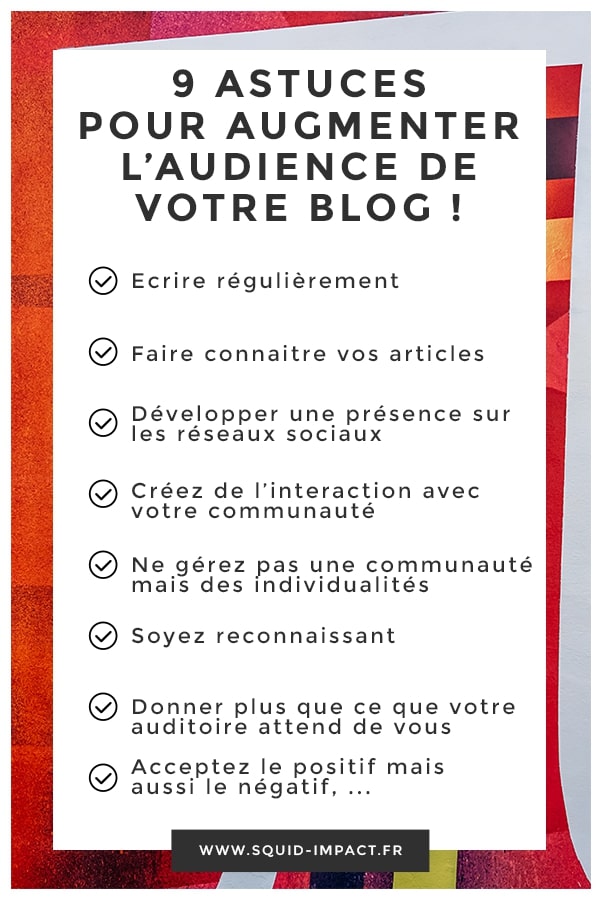
9 tips to increase your blog audience!