Buying choices are strongly affected by emotional aspects, and brands that can recognize and react to customer feelings hold a great edge over their competitors. Marketing based on emotions, or sentiment-driven marketing, is more than a passing fad; it’s a strategic method backed by data, artificial intelligence, and psychology of behavior. In this article, we will examine what this idea means, how it works with technology, and how it can be effectively integrated into a brand’s strategy.
1. What is sentiment-driven marketing?
Sentiment-driven marketing refers to using sentiment analysis to grasp the feelings shown by customers regarding a brand, product, or campaign. Sentiment analysis employs Natural Language Processing (NLP) technology to decode opinions found in texts like reviews, comments on social media, feedback, or emails, and categorize them as positive, negative, or neutral.
Additionally, this analysis can delve deeper, identifying emotions like frustration, excitement, anxiety, or loyalty. Using this information, companies can customize their messages, products, and services to better connect with their intended audiences.
2. Why do emotions matter in marketing?

 6 Key SEO Steps Before Launching a New Website
Studies prove it over 90% of purchasing decisions are unconscious and influenced by emotions. Brands that manage to create a true emotional connection with their audience tend to have more loyal customers and a higher NPS (Net Promoter Score).
Examples of emotional power in marketing:
- Apple’s campaigns focus on creativity, freedom and individuality.
- Dove emphasizes true beauty and self-acceptance.
- Coca-Cola is associated with ideas such as happiness, friendship and family.
These campaigns succeed in creating lasting emotional associations that turns customers into brand ambassadors.
3. How does sentiment analysis work?
Sentiment analysis is powered by advanced technologies from machine learning AND natural language processing (NLP). Here is a simplified overview of the process:
Sentiment analysis steps:
- Data collection: Collection of texts from reviews, social media, questionnaires, forums, etc.
- Preprocessor: Data cleaning: removing punctuation marks, stop words, normalizing words.
- Classification: The ML model classifies texts by tone (positive, negative, neutral) or by emotion (joy, anger, sadness, surprise, etc.).
- Scoring and display: Each piece of text is assigned an emotional score and the results are presented in a dashboard for marketing teams.
Popular Tools:
- IBM Watson tone analyzer
- Google Cloud Natural Language API
- Monkey Learn
- Lexalitics
- RapidMiner
4. Apply feelings in brand strategy
A. Create emotional content
Using sentiment data, brands can create content that strikes the right chord with their audience. For example, if the analysis shows that the public experiences anxiety about sustainability, the brand can create campaigns that highlight green efforts, providing confidence and trust.
Articulos que te pueden interesar Communicating during the financial crisis
B. Customer Experience (CX) Optimization
By analyzing feedback, companies can identify friction points in the customer journey. For example, if many reviews mention frustration at checkout, you can make quick UX changes to reduce cart abandonment.
C. Emotional segmentation
Consumers can be segmented not only demographically, but also based on their dominant emotional states. This way you can send personalized campaigns: «inspire», «calm», «enthusiastic» – depending on the target group.
D. Proactive response on social media
Real-time sentiment monitoring allows brands to respond to crises promptly. If a post or product sparks waves of negative feedback, the team can quickly intervene with transparency and solutions, avoiding reputational damage.
5. Challenges and pitfalls of sentiment-based marketing
While promising, sentiment-based marketing has a number of limitations and pitfalls:
- Ambiguity of language: Irony, sarcasm or puns can mislead algorithms.
- Algorithmic bias: Models can be biased if they are not trained on different data.
- Data Privacy: The collection and analysis of opinions must comply with the GDPR and other regulations.
- Overinterpretation of data: Emotions are fluid and contextual; they should not be treated as absolutes.
6. Case studies
1.Netflix
Netflix uses sentiment analysis to adapt movie descriptions based on the emotional reactions they evoked in other users. Therefore, the discovery experience is personalized and more efficient.
2. Nike
Nike uses social listening to understand the moods of different groups and launches campaigns that empathize with them. The commercials featuring Colin Kaepernick, for example, were polarizing but created loyalty among the target audience.
3.Sephora
By analyzing reviews and feedback, Sephora quickly identifies products that generate negative emotions and withdraws or reformulates them. At the same time, take advantage of those that spark joy or excitement.
7. Practical steps for implementation
- Define goals: What do you want to learn from sentiment analysis? What strategic decisions will you make based on the data?
- Choose relevant sources: Social media, blogs, reviews, surveys.
- Select a reliable NLP tool.
- Train and validate ML models: Customize them for the specifics of the target language and culture.
- Integrate data into brand strategy: Create workflows between marketing, customer experience, and R&D teams.
- Continuously monitor and adjust: Emotions are dynamic; Sentiment-based marketing must be an iterative process.
Conclusion
In the digital age, where emotional data is becoming increasingly accessible and analyzable, Sentiment-driven marketing it is no longer a “nice to have” but a necessity for brands that want to build authentic relationships with consumers. By actively listening to emotions, brands can respond with empathy, relevance and clarity, transforming transactional interactions into lasting connections.
latest posts published

Personal Branding or cult of personality?

6 Key SEO Steps Before Launching a New Website

Communicating during the financial crisis

11 good resolutions to give a boost to your 2019

It all starts with an idea

6 marketing and creativity books to read this year!

Content Marketing: Do You Really Have to Offer All Your Content?

Entrepreneurs and content marketing: 16 quotes to encourage you
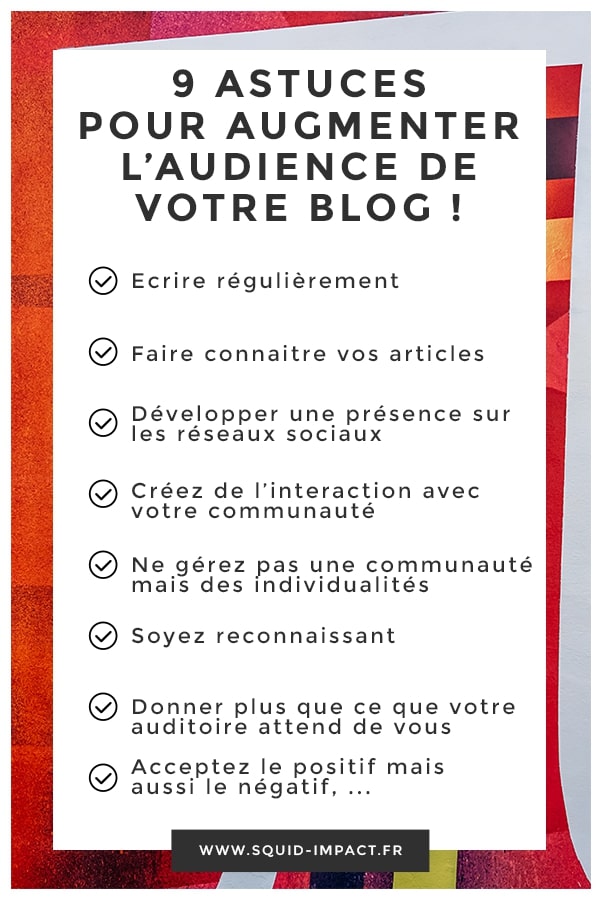
9 tips to increase your blog audience!