Google Ads promotion and the PPC (Pay-Per-Click) model remain essential pillars of online marketing. The year 2025 brings with it new challenges and opportunities for businesses as technology advances, consumer behavior changes and competition becomes fiercer. This article in-depth explores how to optimize your Google Ads and PPC campaigns in 2025, what trends define the current landscape, and how you can turn your investments into tangible results.
Why Google Ads and PPC are essential in 2025?
Google continues to dominate the search engine market, with over 90% global market share by early 2025. With billions of daily searches, the Google Ads platform provides instant access to a large and diverse audience. The PPC model, where you only pay for clicks received, remains attractive due to the control over your budget and the ability to accurately measure your return on investment (ROI). Additionally, the deeper integration of artificial intelligence (AI) and automation into Google Ads is transforming how campaigns are created, managed and optimized.
In 2025, promoting through Google Ads is no longer just an option, but a necessity for businesses that want to stay competitive. Whether we’re talking about online stores, service providers or B2B companies, the ability to reach customers at the exact moment they express their interest through a search is an unbeatable strategic advantage.
Articulos que te pueden interesar Everything you need to know about quality leads and generating them
Top trends in Google Ads and PPC in 2025
- The domain of Artificial Intelligence
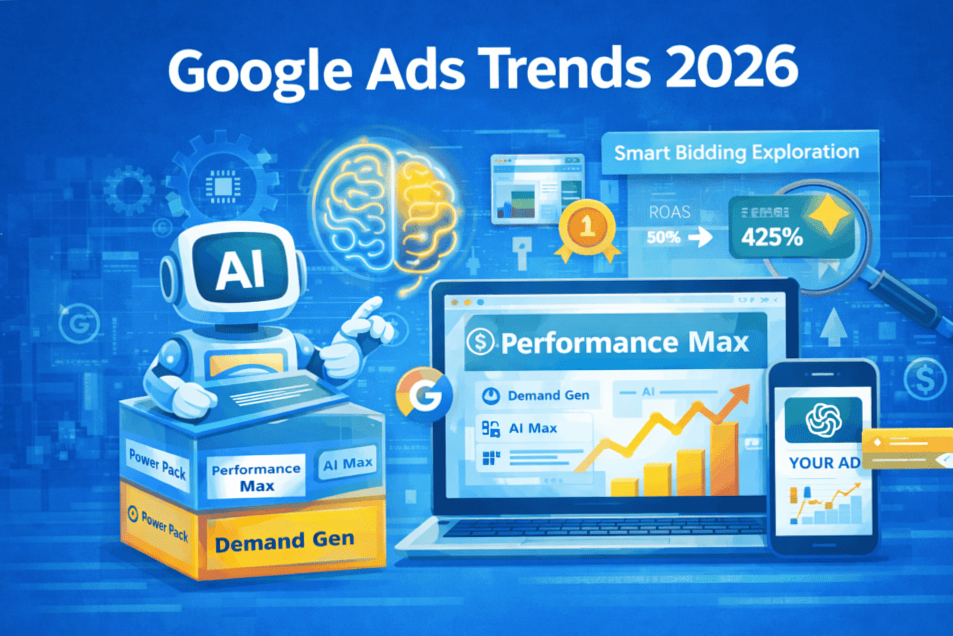
Artificial intelligence plays a central role in Google Ads in 2025. Performance Max campaigns, introduced a few years ago, are now the standard for many advertisers. They use advanced algorithms to automatically optimize ad placement across all Google channels (Search, Display, YouTube, Discover, etc.), maximizing conversions. Additionally, AI analyzes data in real time to tailor offers, select audiences, and personalize messages, reducing manual effort for marketers. However, this automation comes with a challenge: the partial loss of control over campaign details. To achieve optimal results, advertisers must clearly define their objectives and provide quality assets (text, images, videos) to feed the algorithm. - Visual search and multimedia
Image and video-based search is gaining traction rapidly. In 2025, users are increasingly using Google Lens or uploading images to find products. This makes Google Shopping ads and video campaigns essential. Companies that invest in quality visual content – detailed product photos, explainer videos or interactive ads – will have a competitive advantage. - Micro-level customization
Consumers expect highly personalized experiences. In 2025, Google Ads enables granular-level audience segmentation based on demographics, online behaviors, and purchase intentions. Remarketing campaigns are becoming increasingly sophisticated, targeting users who have abandoned shopping carts or visited certain pages, with messages tailored to their specific needs. - Sustainability and transparency
Social values will influence purchasing decisions in 2025. Brands that promote sustainability or provide transparency in their processes (e.g. product provenance, environmental impact) can earn consumer trust. Google Ads makes it easy to promote these messages through ad extensions that highlight green certifications or initiatives. - The rise of voice search
With the proliferation of voice assistants (Google Assistant, Alexa, Siri), voice searches are becoming more and more common. These tend to be longer and more colloquial (e.g. «where can I find the best coffee near me?»). Optimizing keywords for such queries becomes crucial for PPC campaigns.
Effective strategies to promote Google Ads in 2025
- Optimization of Performance Max campaigns
To get the most out of your Performance Max campaigns, focus on the quality of the materials provided. Upload high-resolution images, eye-catching titles, and concise descriptions that directly address customer needs. Precisely define conversions (e.g. purchases, form completions) and adjust your budget based on channel performance. - Using long-tail keywords
In a competitive landscape, broad keywords (e.g. «shoes») are expensive and overcrowded. Long-tail keywords (for example «men’s waterproof athletic shoes») attract more relevant traffic and have lower costs per click (CPC). Analyze user intent and integrate these phrases into your ads and landing pages. - Dynamics of remarketing
Dynamic remarketing is a secret weapon in 2025. Create ads that show products that users have previously viewed, complete with personalized offers (e.g. discounts, free shipping). This type of campaign increases the conversion rate and builds customer loyalty. - A/B testing continues
Experiment with headlines, images, and calls to action (CTAs) to find out what resonates with your audience. In 2025, Google Ads offers detailed reports that show the performance of each element, allowing you to adjust campaigns in real time. - Integration with Google Analytics
Connecting Google Ads to Google Analytics gives you a complete picture of the customer journey, from click to conversion. Analyze metrics like time spent on site, bounce rate and value per customer to optimize campaigns and reduce unnecessary costs.
How to maximize ROI in PPC?
Return on investment is the ultimate goal of any PPC campaign. Here are some practical tips based on the realities of 2025:
- Manage your budget carefully: Set a realistic daily limit and adjust it based on performance. Avoid wasting irrelevant keywords by using negative keywords (e.g. «free» if you sell premium products).
- Improve your quality score: Google rewards relevant ads with lower CPCs. Make sure the landing page is fast, mobile-friendly, and accurately answers the user’s search.
- Monitor the competition: Use tools like Auction Insights to understand how your competitors are positioned and adjust your strategy accordingly.
- Invest in mobile: By 2025, more than 60% of searches will come from mobile devices. Optimize your ads and website for a smooth experience on smartphones.
Challenges and solutions in 2025
- Fraudulent clicks
Sabotage by competitors or bots remains a problem. Google Ads offers options to block suspicious IPs and refund costs for invalid clicks. Monitor traffic carefully and report anomalies. - Increased CPC costs
As more and more companies enter the game, the average CPC increases, especially in competitive industries (e.g. legal, real estate). The solution? Focus on specific niches and hyperlocalized campaigns to reduce competition. - Dependence on automation
While AI is powerful, it can sometimes make inappropriate decisions. Periodically check the automatic settings and intervene manually if the results are not satisfactory.
Case study: How a business grew with Google Ads in 2025
Let’s take the example of a small e-commerce company selling sustainable furniture. In January 2025 the company launched a Google Ads campaign with a monthly budget of 1,000 euros. The strategy included:
- Performance Max campaigns with product images and videos on the eco-friendly manufacturing process.
- Keywords like «recycled wood furniture Bucharest» and «sustainably designed chairs».
- Remarketing for visitors who added products to their cart without completing their order.
Results after 3 months:
- Website traffic: +150%.
- Conversion rate: 7% (compared to 3% previously).
- ROI: 300%, with revenues generated monthly by the campaign equal to 3,000 euros.
This success demonstrates that a well-thought-out strategy, combined with current trends, can turn a modest investment into a growth engine.
Articulos que te pueden interesar The 5 main types of social media content
Conclusion: The Future of Google Ads and PPC Promotion
As we get closer to 2025, Google Ads and PPC remain crucial tools for businesses of any size. The secret to success is keeping up with new technologies, having a strong grasp of your audience, and consistently enhancing your campaigns. Whether you decide to collaborate with a specialized agency or manage everything in-house, putting money into Google ads is worth it, as long as your approach is strong and data guides your choices.
Start by setting clear goals – traffic, conversions, brand awareness – and develop your campaigns gradually. 2025 will be the year when flexibility, creativity, and data analysis will distinguish between a good campaign and an outstanding one. What are you waiting for?.
latest posts published

Personal Branding or cult of personality?

6 Key SEO Steps Before Launching a New Website

Communicating during the financial crisis

11 good resolutions to give a boost to your 2019

It all starts with an idea

6 marketing and creativity books to read this year!

Content Marketing: Do You Really Have to Offer All Your Content?

Entrepreneurs and content marketing: 16 quotes to encourage you

9 tips to increase your blog audience!