Small and medium-sized businesses struggle to make a name for themselves. Large companies may benefit from mass advertising, but for small business owners and those with limited funds, a targeted marketing strategy is often the secret to achieving success. This method means concentrating on a specific group of customers with clear needs and desires, rather than trying to reach everyone. In this article we will outline step by step how to create an effective targeted marketing strategy that will improve your outcomes and enhance your position in the market.
What is targeted marketing?
Targeted marketing is a strategy that aims at a small, specific set of customers instead of a broad audience. For instance, instead of offering “shoes,” you could specialize in “eco-friendly sneakers for active runners.” Picking a specific niche lets you gain expertise in that area, craft tailored messages, and foster a strong connection with your customers. The benefit? There is less competition and customer loyalty tends to be higher.
Step 1: Identify your niche
The first step in developing your strategy is finding the right niche. It needs to be specific enough to differentiate you, but big enough to be profitable. Here are some practical ways to identify a niche:
Articulos que te pueden interesar Why is brand authenticity important and how can you achieve it?
- Analyze your passions and skills – What are you passionate about? What do you do well? If you’re a nutrition expert, for example, you might target a niche like «meal plans for vegans with food allergies.»
- Research the market – Use tools like Google Trends, Keyword Planner or online forums to find out what people are looking for and where there are gaps in your offering.
- Identify outstanding issues – Listen to customer complaints from various industries. Often a profitable niche emerges where needs are not fully met by current competitors.
- Evaluate the competition – If a niche is overcrowded, it will be difficult to stand out. Look for a less exploited segment.
For example, instead of focusing on “personal care products,” you might choose “natural skin care products for men with sensitive skin.” Specificity gives you a clear advantage.
Step 2: Know your target audience
Once you’ve chosen your niche, you need to thoroughly understand your audience. Who are these people? What motivates them? What are their daily problems? Create a detailed profile of your ideal customer (buyer persona), including details such as age, gender, occupation, hobbies and purchasing behavior.
Let’s say your niche is «ultralight camping gear for long-distance hiking.» Your audience might include adventure seekers aged 25 to 45 who appreciate sustainable products and are willing to pay more for quality. The better you know your customers, the more you can personalize your messages and offers.
Step 3: Develop a unique value proposition (USP)
In a niche it’s not enough to be good: you have to be unique. Your Unique Selling Proposition (USP) is that “something” that sets you apart from the competition. This can be superior product quality, exceptional service or an innovative approach.
Articulos que te pueden interesar How to choose the best laptop
For example, if you sell “craft coffee for espresso lovers,” your USP might be “hand-roasted beans sourced exclusively from sustainable farms.” This clear promise attracts attention and builds trust.
Step 4: Create content specific to your niche
Content is the heart of a niche marketing strategy. Blogs, videos, social media posts, and newsletters help you connect with your audience and demonstrate your expertise. The Golden Rule: Provide value before you sell.
- Blogs – Write detailed articles on topics relevant to your niche. For example, “How to choose the best ultralight tent for winter hiking.”
- Social networks – Post quick tips, impactful images, and behind-the-scenes stories about your business.
- Free guides – Offer an e-book or checklist that customers can download in exchange for their email address.
The key is to be consistent and use a tone that resonates with your audience. Avoid generic language: personalize everything!
Step 5: Choose the right marketing channels
Not all marketing channels are effective for every niche. Identify where your audience spends their time and focus your efforts there. For example:
- Instagram and Pinterest – Ideal for visual niches such as fashion or interior design.
- LinkedIn – Perfect for B2B niches like “software for freelance accountants”.
- Forums and groups – Platforms like Reddit or Facebook groups are great for very specific niches.
Test multiple channels and analyze the results with tools like Google Analytics or the social platform’s built-in statistics.
Step 6: Build a community
A huge benefit of niche marketing is the ability to create a loyal community. Engage your customers through surveys, contests or online events. For example, if your niche is “educational toys for children with special needs,” you can host webinars with parents and educators to discuss child development.
Respond promptly to questions and feedback: Niche customers appreciate personal attention. Over time they will become ambassadors for your brand.
Step 7: Monitor and adapt your strategy
A niche marketing strategy is not static. Constantly analyze the performance of your campaigns: what works and what doesn’t? Use metrics like conversion rate, website traffic, and social media engagement to measure success. If you notice that some tactics aren’t working, change them quickly.
For example, if paid Facebook ads aren’t generating sales, but your blog posts are attracting customers, invest more in organic content. Flexibility is essential.
The benefits and challenges of niche marketing
Advantages:
- Less competition and lower marketing costs.
- Greater customer loyalty.
- Clear positioning as an expert in the sector.
Challenges:
- Small audience, limiting the potential for rapid growth.
- It requires a deep understanding of the niche.
- Risk of losing relevance if trends change.
Conclusion
Developing a niche marketing strategy takes time, research, and dedication, but the results are worth the effort. By focusing on a specific segment, you can build a sustainable business with loyal customers and a solid reputation. Start by identifying a niche you’re passionate about, know your audience, create value, and adjust your approach along the way. With patience and strategy you will turn a small idea into a big success.
latest posts published

Personal Branding or cult of personality?

6 Key SEO Steps Before Launching a New Website

Communicating during the financial crisis

11 good resolutions to give a boost to your 2019

It all starts with an idea

6 marketing and creativity books to read this year!

Content Marketing: Do You Really Have to Offer All Your Content?

Entrepreneurs and content marketing: 16 quotes to encourage you
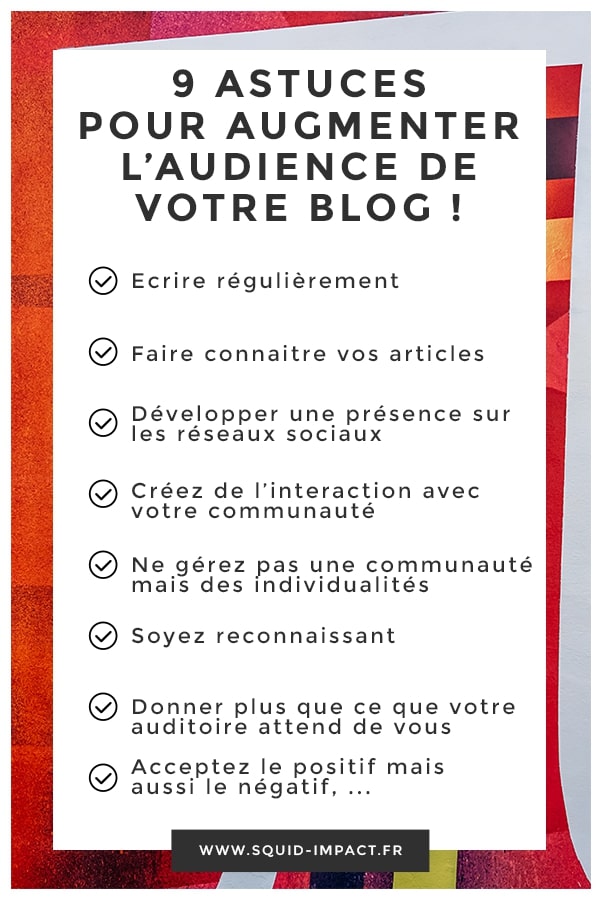
9 tips to increase your blog audience!