A designer is a professional who focuses on the creation and improvement of the visual aspect and the unpatientivity of digital products, such as applications, websites and video games. The role of a designer is to ensure that the interface is functional and easy to browse for users. This involves the design of all the screens with which a user navigates and individual elements such as buttons, icons and controls, with a final purpose an experience of use as pleasant and efficient.
At the same time, Builtin mentions that the responsibilities of a designer include the selection of color pallets, typography, layout systems and other visual elements, as well as creating interactive prototypes and style guides in all aspects of the product.
Imagine transforming a simple digital interaction into a captivating and fluid experience that makes users return more. Are you ready to become the architect behind such memorable experiences? If you feel a thrill of emotion at the thought of combining functionality with aesthetics, then you are on the threshold of an adventure in the heart of the user interface (UI).
In the following lines, you will discover the secrets that will transform you into a design professional, able to face technological complexities with grace and creativity. Are you ready to leave your mark in the digital world?
Articulos que te pueden interesar 10 essential transversal skills for success in technology
What is the user interface design?
The design of the user interface, or the design of the user interface, is the process of creating interfaces in software or electronic devices, with an emphasis on the appearance and style of the user’s interaction. Its main task is to make the user’s interaction as simple and efficient as possible, as regards the achievement of the user’s objectives. This means that every visual, interactive or animated element of a product must be thought in this sense.
User’s design design includes aspects such as pages, structure and design of the layout, but also visual elements such as buttons, icons, white spaces, typography and color patterns. Everything is created to provide a fluid and intuitive experience to the user.
Think of social networks, the telephone gallery or your laptop: everything you see and what you interact is part of the design. Good design combines accessibility, functionality and ease of use, ensuring that everything works without problems and is visually pleasant.
Why is the design user interface important?
Design is very important because it significantly influences the way we feel and behave when we use digital products. Basically, it is like a bridge between the user and the digital product, whether it is a website, an app or a game. If this bridge is well built, that is, the interface is pleasant and easy to use, your product path becomes much more efficient.
Articulos que te pueden interesar It Update: Essential news in technology (August 2025)
Brad Sorin Ovidiu underlines the importance of this discipline in the creation of products that not only meet the needs of users, but also exceed their expectations.
An effective designer is not limited to creating only an attractive visual aspect; It ensures that the interface is intuitive and easy to navigate. For those interested in deepening knowledge in this sector, Newtech Academy offers a specialized design course.
Popular designs
- Spotify: The Spotify platform is known for the engaging user interface. This combines functionality with aesthetics, offering both a visual pleasure and a user experience without problems.
- Discord: Discovery function to disorders exemplifies the essence of intuitive and modern design. The Discord platform allows users to find and join various communities adapted to their interests.
Skills of the designer
If you are thinking of becoming a designer or you are already on this path, it is important to know the skills they will push you until success. Here’s what you need to align with the work requirements in the role of designer:
- Technical and design skills: You must have a solid understanding of the principles of visual design, including composition, balance, contrast and chromatic harmony. It is also essential for graphic tools and master prototyping, such as Adobe XD, Sketch, Figma or Invision. At the same time, knowing the basic languages for the development of the front-end, such as HTML, CSS and Javascript, is often considered an advantage, as it allows you to better understand the technical possibilities and limitations of the implementation of your design.
- Communication and collaboration skills: You must be able to collaborate strictly with UX designers, developers, product managers and other parties concerned to ensure the implementation of problems and ensure that visual objectives are aligned with the user’s experience objectives.
- Empathy and understanding of the user: A successful designer must be able to put in place of users and understand their needs and behaviors. This involves the ability to anticipate the way users will interact with the interface and design visual elements that improve ease of use and accessibility.
How to become a designer’s user interface

Now that you know what design means and why it is important, let’s see how you can become one. Here is a step guide:
1. Study design
He begins by learning the basic concepts of graphic design, such as composition, color and typography. Find explanatory videos or read specialized books such as «The Non-Designer’s Design Book» by Robin Williams to build a solid base.
2. Learn design tools
Family familiar with graphic design tools such as Adobe XD, Sketch or Figma. These programs are essential in creating prototypes and design.
3. Create practical projects
Apply your knowledge in practice by creating projects for applications or fictitious sites. The more projects you have in your wallet, the more you become expert. For example, try to find small projects, also pro bono, for local NGOs or startups. This will give you practical experience and add value to your wallet.
4. Learn from the mentors of the sector
Follow the works of designers dedicated to platforms such as dribbles and Behance. This will help you understand what is requested in the sector and inspire you for your projects.
5. Participate in the Design Community
Take part in local design events, webinars and conferences. You can register on platforms like Meetup to find networking events.
6. Build a solid wallet
Your wallet is your business card in the world of design. Include your most successful projects and show diversity in your works.
7. In search of freelance projects or projects
After accumulating experience and having a solid wallet, you start looking for work on online platforms dedicated to finding the right job in design.
8. Be open to feedback and continuous improvement
User’s design design is a constantly evolving field. Take part in courses, seminars and read books or specialized articles to keep up to date with new trends.
Career opportunities
According to Brasintation, with the increase in the domain of design with the user, there are now many working titles with different responsibilities, all included in the world.
- User Interface Designer (UI): As I have already said at the beginning of the article, the user interface of the designers is responsible for the appearance and functionality of the user interfaces. Their responsibilities range from the creation of buttons and icons, to the guarantee of a fluid and pleasant experience for users. They must have an in -depth understanding of the principles of design and preferences of users.
- Interaction designer: These designers underline how users interact with a product. Their role implies a complex understanding of human psychology and how users adapt to new technologies.
- Visual Designer: With a focus on the general appearance of the product, the visual designers create elements such as the color palette and the typography, offering a unique style of the product.
- Information architect: These professionals are responsible for the structuring and organization of information in an intuitive and easy way to access users. Apply information architecture principles to ensure that users find what they are looking for without effort.
- Web Designer: Web designers are responsible for the appearance and functionality of websites. They combine web design principles with technical knowledge to create reactive and attractive websites.
Our conclusion?
Regardless of the path you choose in design, you must know that success in this sector has a passion, a dedication and a lot of work. Continuous learning and constant practice are essential. You will face the challenges, but also a huge satisfaction when you see how your creations improve user experience. We wish you happened on this creative journey, where you will have the opportunity to influence the way people interact with the digital world.
latest posts published

Personal Branding or cult of personality?

6 Key SEO Steps Before Launching a New Website

Communicating during the financial crisis

11 good resolutions to give a boost to your 2019

It all starts with an idea

6 marketing and creativity books to read this year!

Content Marketing: Do You Really Have to Offer All Your Content?

Entrepreneurs and content marketing: 16 quotes to encourage you
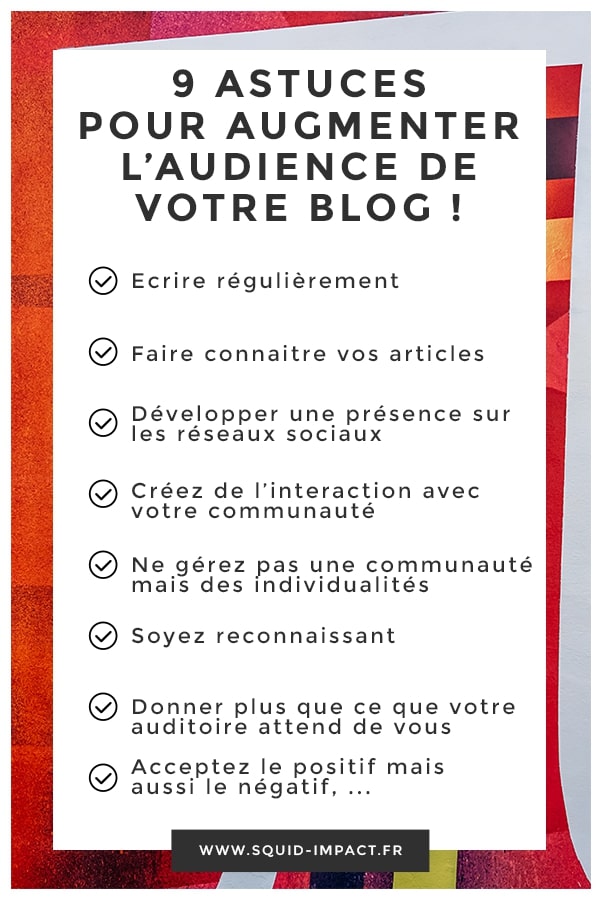
9 tips to increase your blog audience!