What is the first thing that comes to mind when you hear the phrase «work it»? Most likely, the image of a programmer surrounded by monitor, writing complex code lines. Interesting salaries, countless advantages, a dynamic work environment – they all seem reserved exclusively for those who master languages such as Python, Javascript or SQL. This perception, although common, is one of the greatest barriers for talented professionals in other fields, who could find their perfect role in it.
Good news? The IT industry is a vast and complex ecosystem, not just a software factory. In order for a digital product to be successful, it takes much more than an impeccable written code. Strategy, vision, communication, design, organization and a profound understanding of human needs is required. It is here that auxiliary roles intervene: essential, well -paid and extremely satisfactory positions, which do not require programming capacity at all.

If you feel attracted by the world of technology, but your background is in marketing, psychology, management or communication, you should not assume that it has no possibility. On the contrary, your skills are extremely precious. In this article, we will dismantle the myth «it = programming» and we will explore five key areas where it is possible to create a successful career in technology, without writing a single line line.
Articulos que te pueden interesar What is Adobe Indesign?
Top 5 It works for non -technical professionals
These roles form the connection bridge between the technical teams and the outside world, whether it is customers, users or management staff.
1. Management de protic (project management)
What does this mean?
The project manager is the conductor of the orchestra. It does not sound any tool (it does not write code), but ensures that all musicians (programmers, designers, testers) work in harmony to provide the final piece (the software product) in time, in the budget and according to the required quality standards.
Why is it a non -technical role?
The core of this role is made up of organization, planning, communication and leadership. A project manager must generally understand the software development process (which is a «sprint», which means «agile»), but its main responsibility is to manage resources, time and people, do not control the code.
What do you do every day?
Articulos que te pueden interesar It Adapter: Essential Technology News (September 2025)
- Plan the phases of the project (sprint, if it is the agile system).
- Constantly communicate with the technical team and the interested parties (customers, management).
- Monitor your progress and identify the risks or blocks.
- Manage budgets and alloche resources.
- I assure you that everyone has what they need to do their work effectively.
2. Management de Produs (product management)
What does this mean?
If the project manager focuses on «as» and «when» something is built, the product manager works in its «ce» and «Why». It is the «CEO of the product», responsible for its long -term vision. He decides what functionality must be developed, what market needs are and how the value will generate for users and the company.
Why is it a non -technical role?
This role requires a strategic thought and a profound understanding of the market and the user. The key skills are those of business analysis, market research, priorities and communication. The Product Manager translates the business needs into clear requirements that the technical team can implement.
What do you do every day?
- Analyze the data of users and market statistics.
- Talk to customers to understand their problems.
- Create and maintain the «product roadmap» (product development map).
- Give the priority to the functionality to be developed.
- They collaborate strictly with the design, marketing and engineering teams.
3.
What does this mean?
UX (user experience) and the user interface (user interface) are two facets of the same currency: creating a digital product that is not only functional, but also intuitive, efficient and pleasant to use. The designer UX is the architect who thinks of logic and the flow of interaction (how do you feel the experience?), While the designer is the decorator who deals with the visual aspect (what does the interface look like?).
Why is it a non -technical role?
At the base, the UX/UI design concerns empathy, psychology and creativity. A good designer includes human behavior and transposes this understanding in visual interfaces. Although you use specialized software (figma, sketch), it does not write code. It provides sketches, prototypes and a series of visual rules that programmers will implement.
What do you do every day?
- Create sketches and interactive prototypes (wireframe, mockup).
- Make interviews with users to test design.
- Define palettes of colors, characters and visual elements (UI).
- It creates logical routes for users within the application (UX).
- Collaborate with product managers and developers to make sure your vision becomes reality.
4. IT / HR Recruitment Technical
What does this mean?
In a competitive labor market like that in it, finding the right talents is a critical mission. The IT recruiter is the specialist who identifies, attracts and evaluates candidates for technical roles. It is the human connection between the company and potential employees.
Why is it a non -technical role?
This work is 100% on people. The communication skills, negotiation, persuasion and emotional intelligence are essential. A successful IT recruiter should not know how to plan, but must understand the differences between various technologies and roles (for example, which makes an engineer Devops against a front-end developer) in order to bring a relevant conversation with candidates.
What do you do every day?
- You are actively looking for candidates on platforms like LinkedIn.
- Promote you the culture of the company to attract talents.
- Make a screening interviews to evaluate cultural combination and motivation.
- Manage the recruitment process from the first contact to the offer.
- They collaborate with the technical managers to understand exactly the work requirements.
5. Digital marketing and IT sales
What does this mean?
You can have the best product in the world, but if nobody knows, it is useless. Marketing and sales specialists are those who build the brand’s notoriety, generate demand and transform interest in income. Whether we are talking about content marketing, SEO, paid campaigns (PPC) or sales directed to other companies (B2B), these roles are the growth engine of any technological company.
Why is it a non -technical role?
Marketing and IT sales are based on universal principles: understanding of the public, creation of persuasive messages and construction of relationships. Use digital tools, but the basic skills are related to communication, the analysis of strategy and marketing data, not to the development of the software.
What do you do every day?
- Create and promote content (blog articles, webinars, study cases).
- Manage online advertising campaigns.
- Analyze the performance of the marketing channels.
- Identify potential customers and set the meetings (sales).
- Present the product and negotiate contracts.
What skills is advisable, however, to own?
Even if you do not need programming knowledge, to excel in these roles and successfully integrate into a technical team, it is essential to cultivate a series of transferable skills:
- Exceptional communication: You must be able to explain complex ideas in simple terms, both in writing and verbally. You will always be a bridge between the departments.
- Analytical thinking: Whether the users’ feedback, market data or the performance of a marketing campaign is analyzed, the ability to interpret the data and draw logical conclusions is crucial.
- Empathy: The possibility of putting yourself in place of the user, client or even the programmer’s colleague is the key to success, especially in the management of products and in UX design.
- Time organization and management: IT projects have rigorous deadlines. The use of tools such as Tial, Jira or Asana and good personal discipline are mandatory.
- Adaptability and desire to learn: Technology changes quickly. Even if you are not technical, you must be curious and open to know the new trends in the sector to remain pertinent.
In conclusion, the door of a career is much wider than it seems. The industry needs fantastic people with various skills, able to bring perspective, strategy and human understanding in the process of creating technology. We can help you define your future, through the Newtech Academy courses, that you choose digital marketing, graphics or others, we offer your professional advice.
Don’t let the programming knowledge of you stop. Analyze your current skills, explore one of the above areas and take the first courageous step towards a career in the most dynamic sector of the 21st century. Your success could only be an interview distance!
latest posts published

Personal Branding or cult of personality?

6 Key SEO Steps Before Launching a New Website

Communicating during the financial crisis

11 good resolutions to give a boost to your 2019

It all starts with an idea

6 marketing and creativity books to read this year!

Content Marketing: Do You Really Have to Offer All Your Content?

Entrepreneurs and content marketing: 16 quotes to encourage you
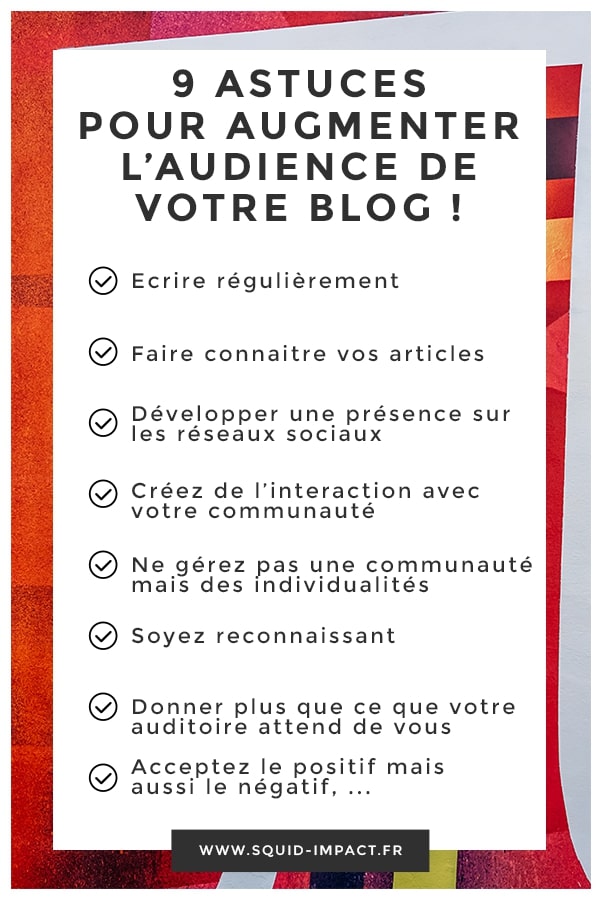
9 tips to increase your blog audience!